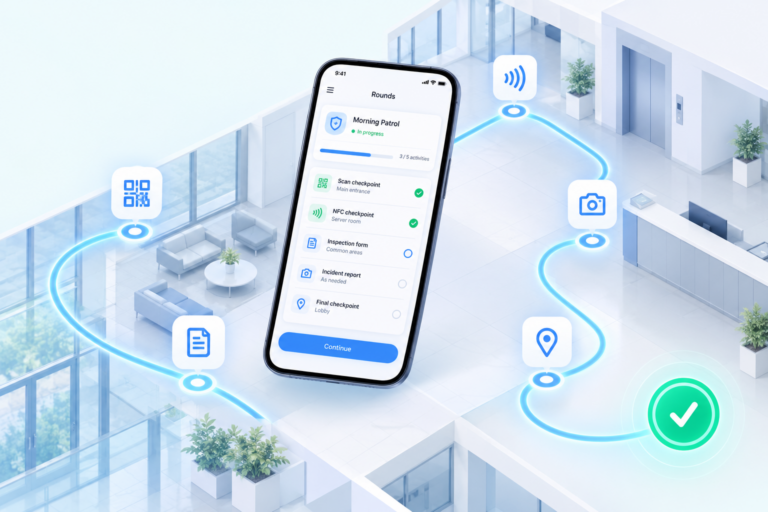
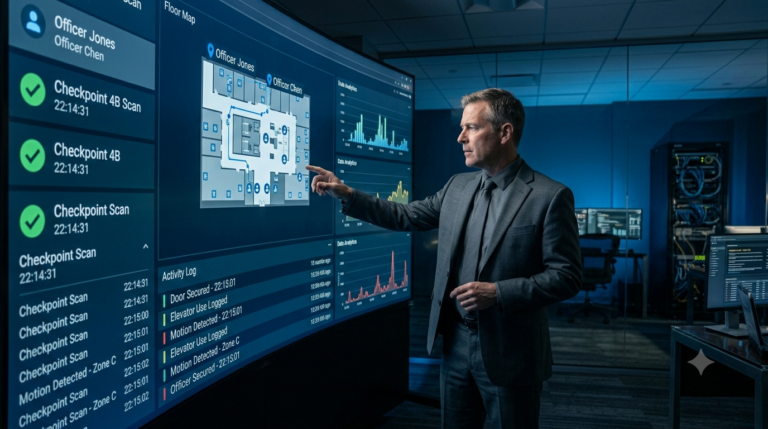
The Questions That Keep Security Leaders Up at Night

The Questions That Keep Security Leaders Up at Night

Security leaders are expected to have answers. When an incident occurs, when a client raises concerns, or when executives ask for explanations, the assumption is simple: you should know exactly what happened.

But the reality is often very different. Many security operations still rely on fragmented communication, paper reports, radio calls, and information that is spread across different systems. When something goes wrong, leaders suddenly find themselves facing difficult questions that are not easy to answer.

The most uncomfortable truth is that these questions don’t arise during normal operations; they arise during crises, when answers matter the most.

Can You Prove What Happened During a Shift?

Imagine receiving a call from a client reporting that an officer failed to patrol a critical area or that a checkpoint was missed. How quickly can you provide evidence?

Can you immediately answer:

  • Which officer was assigned to the shift?
  • What time did they clock in and clock out?
  • Which checkpoints were completed?
  • Where was the officer located throughout the shift?
  • Were any incidents reported during that period?

Without real-time visibility and documented activity, leaders are often left searching through emails, phone calls, handwritten reports, or relying on memory. Every minute spent looking for answers can increase client frustration and damage credibility.

Modern security leadership requires immediate access to operational data, not assumptions.
modern operations, operational risk, operational risk patterns, prevent operational risk, prevent incidents in operations, operations management software, workforce management, operational compliance, field service management, security guard tour system, facility management software, real-time reporting dashboards, security leaders

When Something Goes Wrong, Can You Really Explain Why?

Incidents rarely happen because of a single mistake. They are usually the result of missed procedures, communication gaps, inadequate staffing, or a lack of visibility.

When an executive, client, or investigator asks, “Why did this happen?” the answer needs to be supported by facts.

Security leaders need to understand:

  • Was the site properly staffed?
  • Did officers receive and acknowledge instructions?
  • Were tasks completed as assigned?
  • Were warning signs documented before the incident occurred?
  • Did supervisors have visibility into the situation?

Without traceable information, explanations become opinions rather than evidence.

The Executive Pain No One Talks About

One of the greatest challenges for security leaders is not managing incidents, it’s being unable to confidently explain them afterward.

The inability to answer critical questions creates:

  • Increased liability exposure
  • Reduced client trust and confidence
  • Difficulty identifying operational weaknesses
  • Slower decision-making
  • Higher risk of compliance and contractual issues

Leaders don’t lose credibility because incidents happen. They lose credibility when they cannot explain what happened, why it happened, and what actions were taken.

Visibility Creates Confidence

The most effective security organizations are not necessarily the ones with the fewest incidents. They are the ones that have complete operational visibility and can provide answers immediately.

When every shift, patrol, checkpoint, report, and communication is documented and traceable, leaders can confidently answer the questions that every executive eventually faces.

Because in security operations, the question is not whether an incident will occur.

The real question is:

When leadership asks for answers, will you have them?

modern operations, operational risk, operational risk patterns, prevent operational risk, prevent incidents in operations, operations management software, workforce management, operational compliance, field service management, security guard tour system, facility management software, real-time reporting dashboards, security leaders

Introducing Rounds: Standardize Field Workflow with mobohubb

Every field operation relies on recurring work. Security guards perform scheduled patrols. Facility teams complete routine inspections. Cleaning crews follow standardized procedures....

modern operations, operational risk, operational risk patterns, prevent operational risk, prevent incidents in operations, operations management software, workforce management, operational compliance, field service management, security guard tour system, facility management software, real-time reporting dashboards, security leaders

Advanced Reporting isn’t a feature, it’s operational intelligence

Advanced Reporting Works Better as Integrated Packages. Data is valuable. Information is useful. But intelligence only emerges when every piece of your...

modern operations, operational risk, operational risk patterns, prevent operational risk, prevent incidents in operations, operations management software, workforce management, operational compliance, field service management, security guard tour system, facility management software, real-time reporting dashboards, security leaders

The Questions That Keep Security Leaders Up at Night

Security leaders are expected to have answers. When an incident occurs, when a client raises concerns, or when executives ask for explanations,...

modern operations, operational risk, operational risk patterns, prevent operational risk, prevent incidents in operations, operations management software, workforce management, operational compliance, field service management, security guard tour system, facility management software, real-time reporting dashboards,

Modern Operations: Proving Presence, Coverage, and Access in Real Time

For decades, many organizations have relied on trust, manual reporting, and verbal confirmations to determine whether work was completed as expected. Security...

operational risk, operational risk patterns, prevent operational risk, prevent incidents in operations, operations management software, workforce management, operational compliance, field service management, security guard tour system, facility management software, real-time reporting dashboards,

Detecting Operational Risk Patterns Before They Become Incidents

Incidents Don’t Start as Incidents In most operations, incidents feel sudden. A failure is reported, a complaint is raised, or a client...

operations management software, workforce management, operational compliance, field service management, security guard tour system, facility management software, real-time reporting dashboards,

Operational Compliance Requires Evidence of Action, Not Intent

The Misconception Around Operational Compliance In many organizations, operational compliance is treated as a documentation exercise. Procedures are written, policies are distributed,...

Please fill out the form below, and we’ll get back to you.

Request a demo