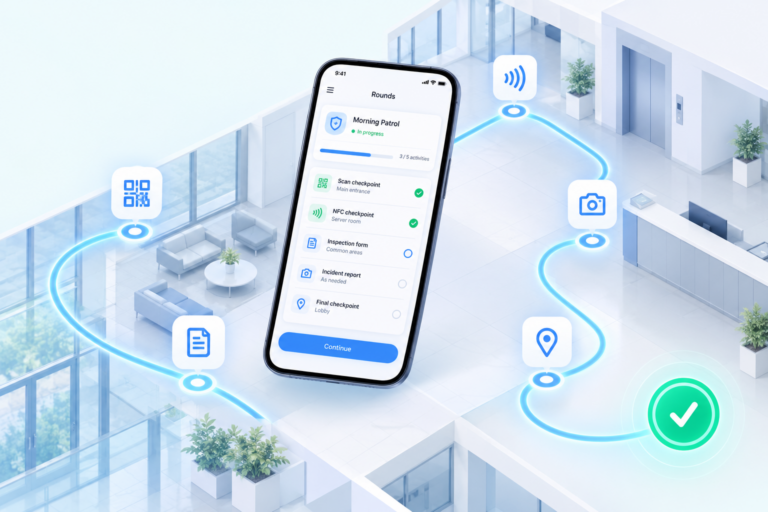
Workforce tools are designed to help organizations manage their employees and streamline their operations. However, despite their many benefits, there are still many people who hate these tools. In this blog, we’ll discuss the five most common reasons why people dislike workforce tools.
Intrusive Tracking
One of the major reasons people hate workforce tools is the intrusive tracking that many of them offer. From monitoring employee attendance to tracking their work hours, workforce tools often collect a vast amount of data about employees. This can feel like a violation of privacy and lead to feelings of discomfort and mistrust.
Many employees are also concerned about the security of the data collected by these tools. With the increased threat of cyber attacks, employees are worried that their personal information could be compromised. This creates a barrier to adoption and can lead to resentment and mistrust of workforce tools.

Poor User Experience
Another reason people dislike workforce tools relates to poor user experience. Many workforce tools are clunky, difficult to use, and lack the intuitive design and functionality that users have come to expect from other software solutions. This can lead to frustration and reduced productivity, as employees struggle to use the tool effectively.
In addition, many workforce tools are designed for managers and administrators rather than employees. This can make the tool feel like an imposition rather than a useful tool. As a result, employees may resist using the tool, reducing its effectiveness and leading to increased frustration.
Unreliable Performance
Reliability is an essential factor in the adoption of any software solution. However, many workers tools are known for their unreliable performance. From slow load times to unexpected crashes, these issues can be a major frustration for users. This can result in lost productivity and lead users to resent the tool.
In addition, many workforce tools are cloud-based, which means that users depend on an Internet connection to use the tool. This can be a problem in areas with poor connectivity, leading to frustration and reduced effectiveness.
Lack of Customization
People also dislike workforce tools due to their lack of customization. With a one-size-fits-all approach, many workforce tools are not designed to meet the specific needs of different organizations and employees. This can lead to frustration, as employees feel that the tool does not meet their needs.
In addition, many workforce tools lack the ability to integrate with other software solutions. This can create silos of data and reduce the overall efficiency of the organization. The lack of customization and integration can also lead to frustration and reduced adoption of the tool.

Resistance to Change
Lastly, resistance to change is a major cause of people disliking workforce tools. Many employees are comfortable with the way things are and are resistant to change. The adoption of a new tool can be perceived as a threat to their existing processes and procedures, leading to resistance and mistrust.
In addition, many organizations are slow to adopt new technologies, which can lead to resistance from employees. The lack of training and support can also contribute to this resistance, as employees feel that they are not equipped to use the tool effectively.
In conclusion, while workers tools offer many benefits to organizations, they are not without their challenges. From intrusive tracking to resistance to change, there are many reasons people dislike these tools. If you’re considering implementing a workforce tool, it’s important to take these issues into consideration and address them proactively. By addressing these challenges, you can ensure the successful adoption of the tool and improve the overall efficiency of your organization.